

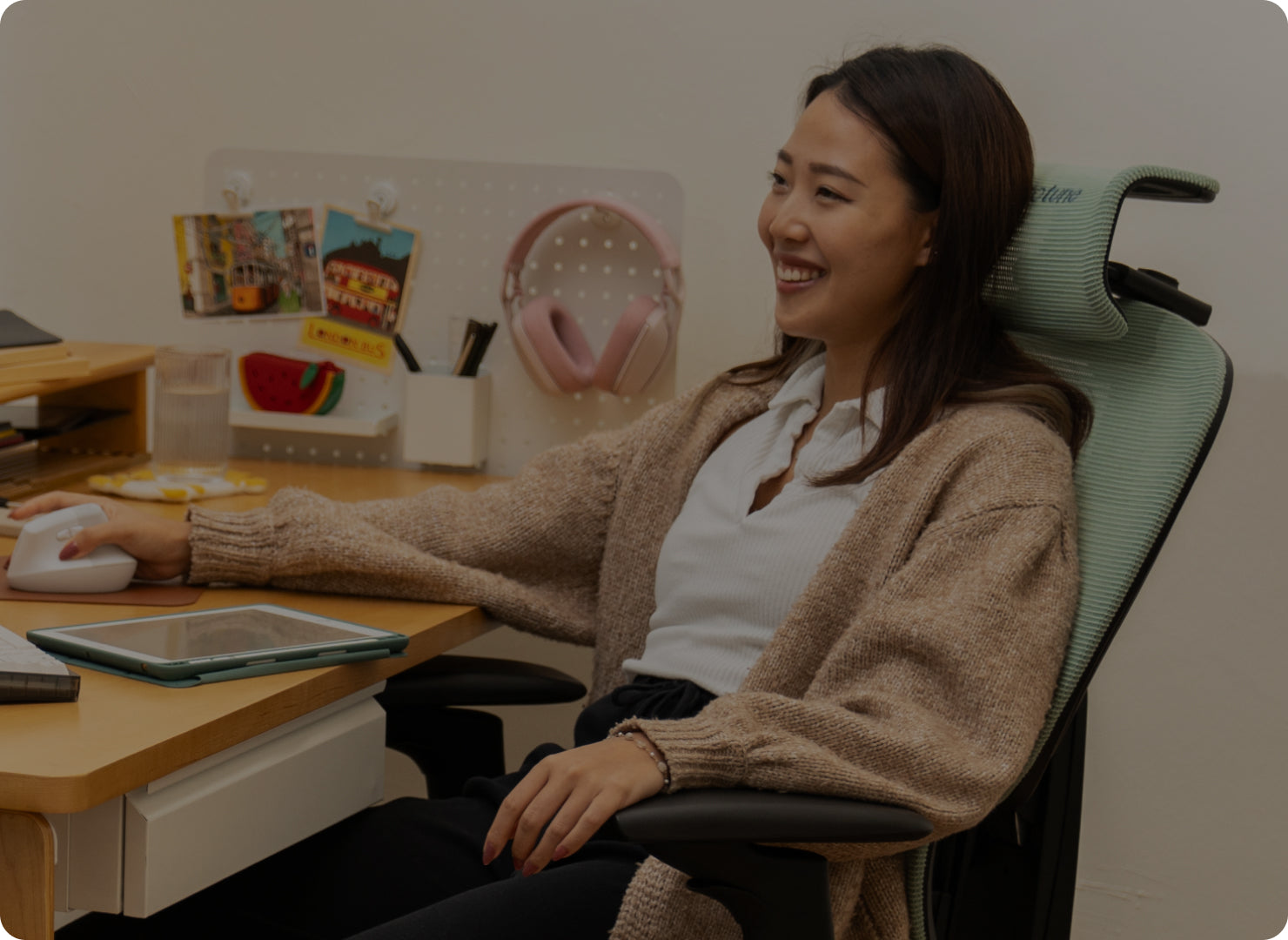

Most standing desks are engineered around a single assumption: the person using it is an adult who stands somewhere between 165cm and 180cm tall. For a dedicated office room, that usually works out fine. For a family sharing a multi-purpose study nook in a Singapore HDB flat or condo, it creates a constant space and posture compromise.
When a typical standing desk lowers to its minimum height, usually around 70cm to 72cm, it is still too high for primary school kids doing homework or shorter adults typing for long blocks. Their shoulders shrug upward, their elbows hang awkwardly, and their feet dangle above the floor. In a tight living room or bedroom corner where you cannot fit two separate desks, forcing everyone to use a standard 72cm table leads to messy posture workarounds.
This is where lowering the desk height down to 60cm, paired with a compact footprint, changes the math completely. Here is how a wide-range standing desk turns a single tight corner into a functional, multi-user hub for the whole household.
The double challenge in Singapore homes: Scale and fit
Setting up a workspace in a Singapore apartment comes with two distinct hurdles that rarely get discussed together: limited floor space and varying user heights.
First, standard study tables sit at a fixed 72cm to 75cm height. According to ergonomic research on youth posture, sitting at a desk even 5cm too high forces children to elevate their shoulders, lean forward onto their forearms, or tuck their feet under the seat. Over a two-hour homework block, that posture leads to neck strain and frequent restlessness.
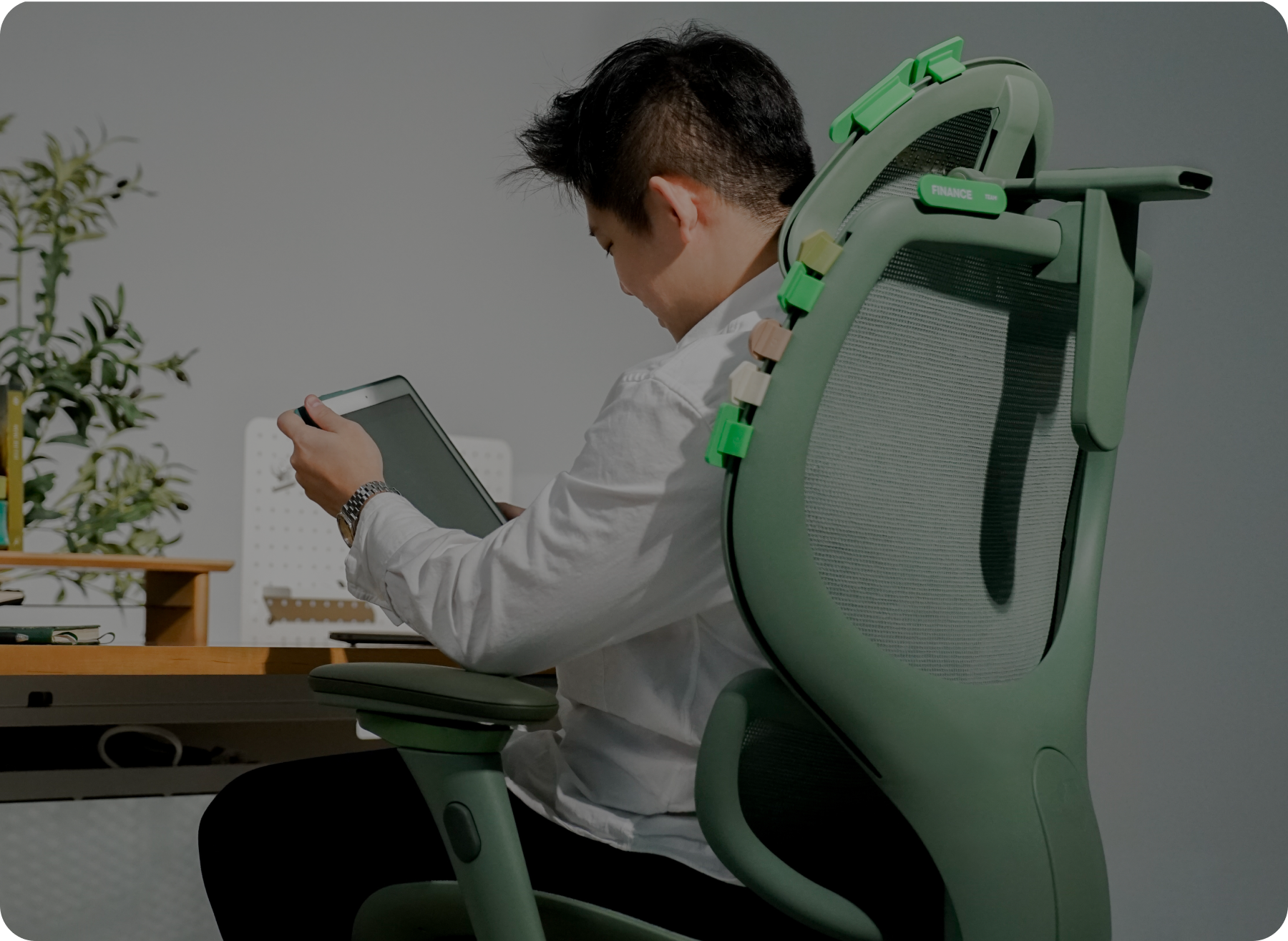
Second, fitting multiple desks into a single room is rarely an option. A desk that lowers to 60cm allows a child to sit with feet flat on the floor and elbows resting naturally at 90 degrees, while still extending high enough for an adult standing focus block later in the afternoon.
1. One compact corner replacing two separate desks
In a 4-room HDB or 2-bedroom condo, dedicated study rooms are a luxury. A single desk often needs to handle morning emails, after-school assessment books, and late-night gaming.
A standing desk with a 60cm-to-125cm range solves the space problem by adapting to the person using it rather than taking up more square footage:
- Primary School Homework (60cm–68cm): Lowers enough for a 7-year-old to sit comfortably without needing bulky footrests or phone-book boosters.
- Teen Exam Prep (68cm–75cm): Adjusts smoothly as teenagers grow, supporting long study sessions before major exams.
- Adult WFH & Standing Focus (75cm–125cm): Raises to full adult standing height for parents working remotely.
Combining compact frame options (like a 100x60cm or 120x60cm desktop) with an ultra-wide height range gives you a small-footprint workstation that scales across every age group.
2. 1-Touch presets for frictionless shared use
In a busy household, if changing desk heights requires manual effort or slow, noisy adjustments, people simply stop doing it. The desk stays stuck at adult height, and kids go back to studying at the dining table.
Having a digital memory controller with 4 height presets keeps shared use effortless. One touch restores a child's exact 62cm study height or an adult's 110cm standing height in seconds. Smooth, quiet dual motors mean morning height changes will not disturb someone sleeping in the next room.
3. Taming cable clutter and enhancing room decor
A multi-user desk in a living room or bedroom can easily become a visual mess of charging bricks, laptop cords, and extension strips.
Modern standing desks address this clutter by building utility straight into the frame. An integrated USB-C charging port right on the keypad allows phones and tablets to plug in at surface level without trailing wires down to wall sockets. Adding an under-desk cable tray hides power strips completely out of sight.
Aesthetics matter just as much in shared living spaces. Warm natural tabletop finishes like organic Bamboo or rich Dark Walnut allow the desk to feel like a intentional piece of home furniture rather than cold office equipment.
Checklist for a small-space family standing desk
When selecting an adjustable desk for a shared Singapore home, check for these essential features:
- 60cm minimum height: Essential for proper foot-on-floor sitting posture for children and shorter adults.
- Compact size options: Desktop options around 100x60cm or 120x60cm that fit neatly into bedroom alcoves or living room walls.
- Quiet dual motors: Fast (4cm/s) and silent adjustments for quick daily transitions.
- Built-in charging & memory presets: 4 memory slots plus surface-level USB ports for easy multi-device charging.
- Safety anti-collision: Auto-reverses if the desk meets an obstacle like a chair armrest while lowering.
Meet the ErgoTune Pro: Compact, versatile, built for home
If you need a desk engineered for small-space living and multi-user ergonomics, the ErgoTune Pro delivers both in a single setup.
With its ultra-wide height range of 60cm to 125cm, it is our lowest standing desk yet. Available in versatile sizes starting from 100x60cm up to 160x70cm, it fits comfortably into tight floor plans while supporting a 100kg load with its fast 4cm/s dual silent motors.
You can customize the look to match your interior with finishes like warm Bamboo, rich Dark Walnut, clean Lily White, or sleek Onyx Black, paired with a black or white frame.
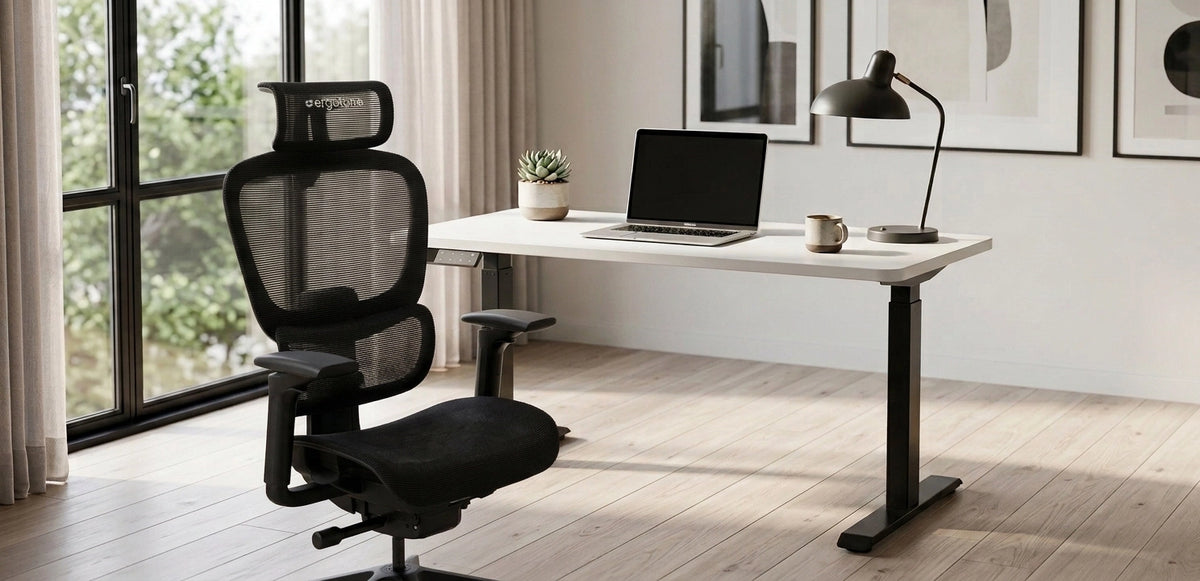
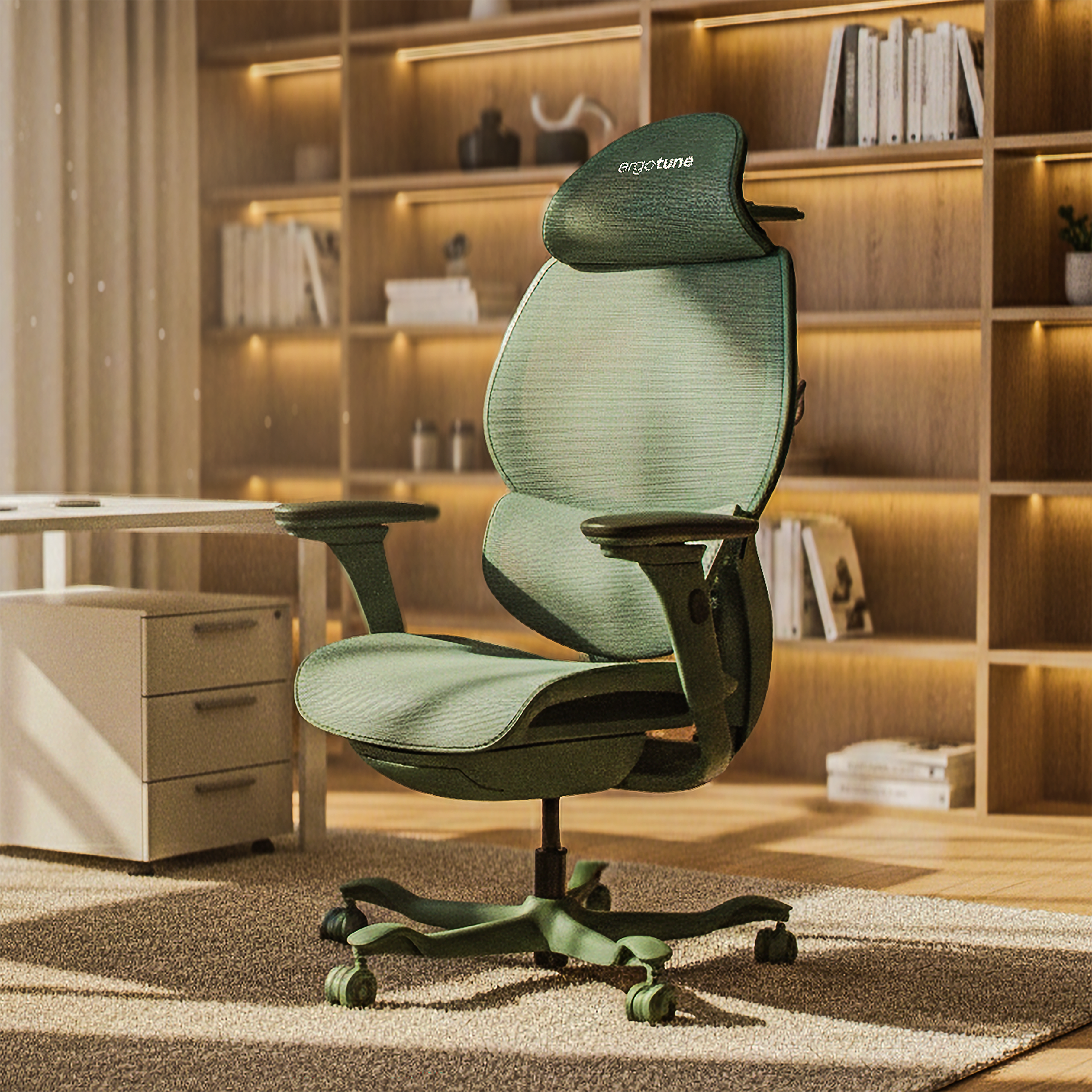
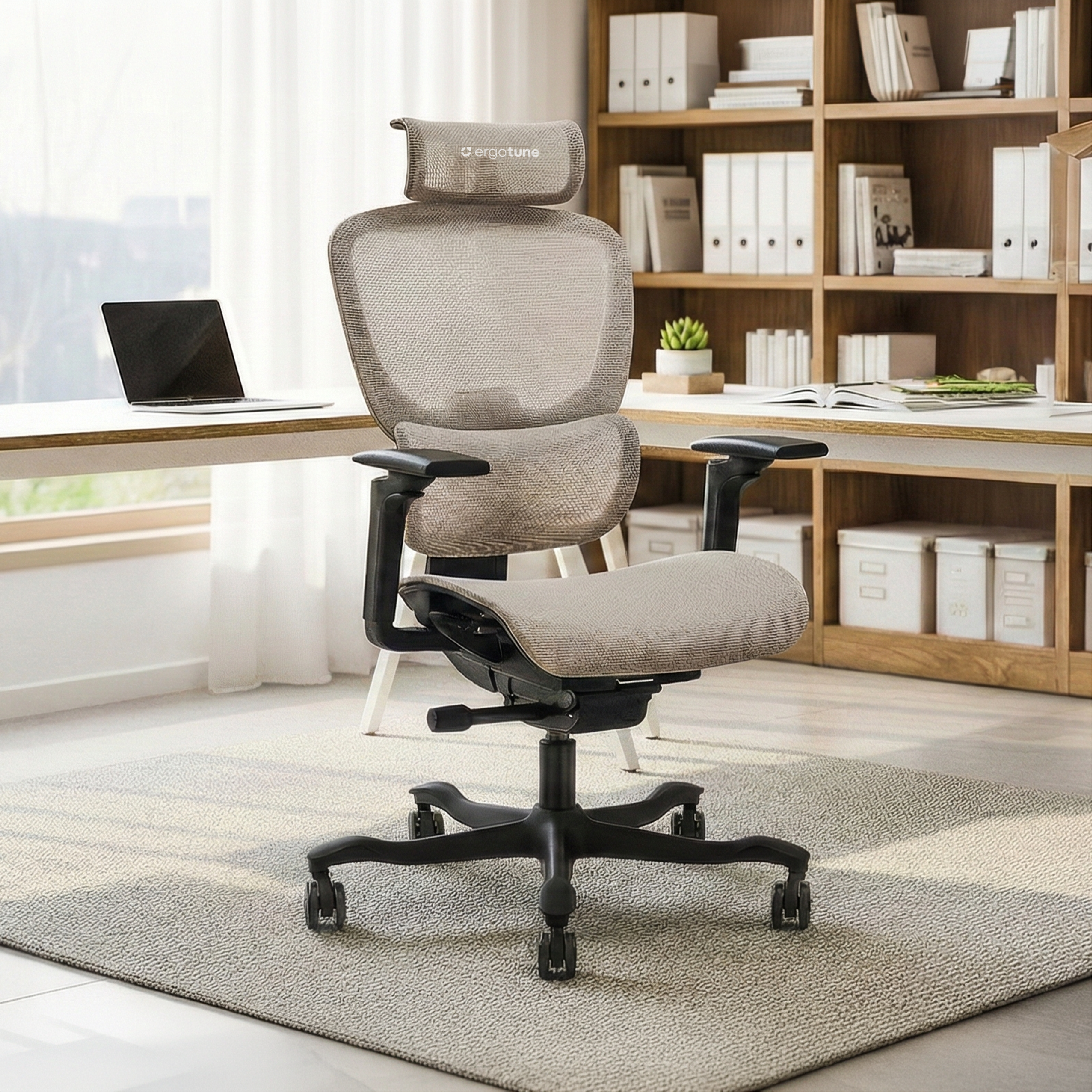
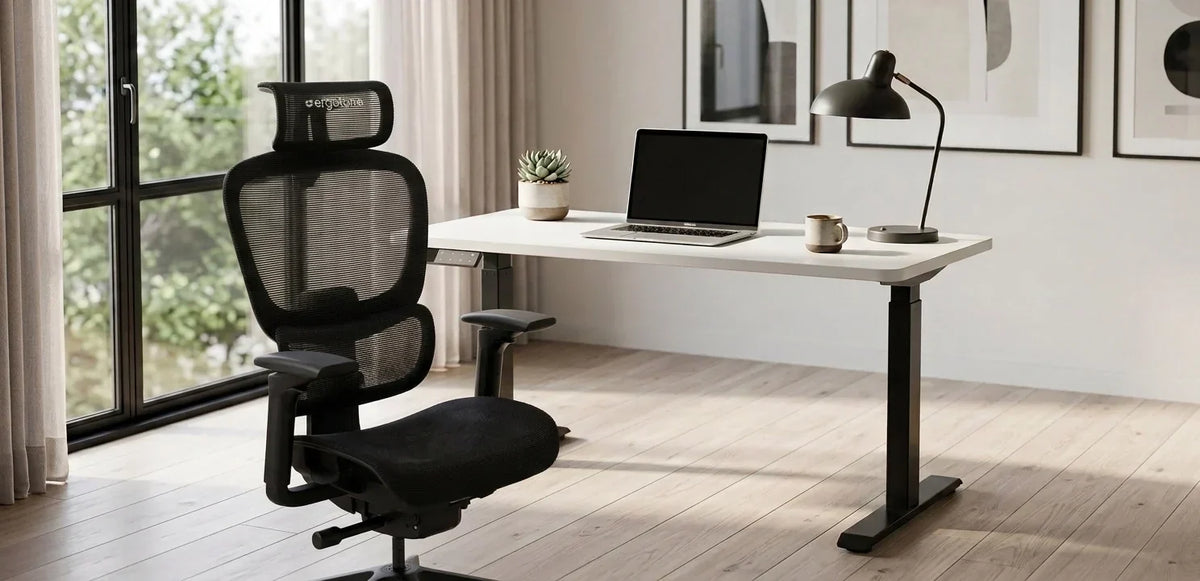
Pairing the ErgoTune Pro with a versatile ergonomic chair like the Joobie Lite or Joobie completes a space-saving, healthy workstation for everyone under your roof.