

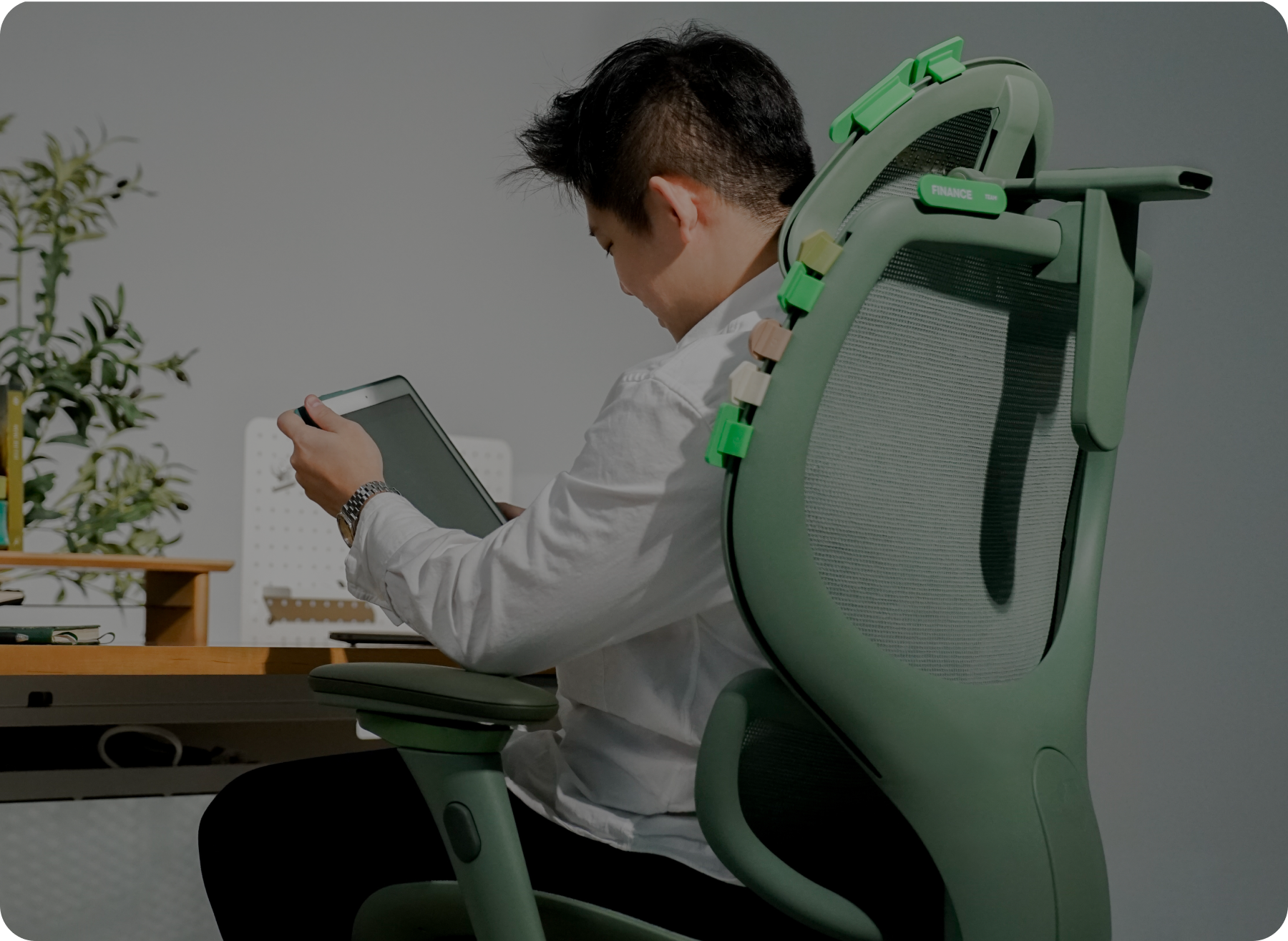


It starts harmlessly. Homework at the dining table. A laptop on the bed "just for this assignment." A plastic stool that seemed fine in Primary 3.
Then the school day moves home for hours of tuition, gaming, and group projects, and you notice the same things adults complain about: rounded shoulders, "my neck hurts," constant shifting, a kid who ends every study block lying sideways on the sofa.
Quick take: Kids do not need a full executive chair for every worksheet. They do need a seat and desk that match their body once homework and screen time become long, regular, and non-negotiable. Fit beats branding. Growth means adjustability matters more than a one-size "cute" chair.
Why "they'll be fine" stops working
Children are not small adults, but their tissues still respond to hours of flexed sitting, craned necks, and furniture that does not match their size.
Reviews of sitting and school-related furniture keep flagging the same cluster of issues: prolonged sitting, poor furniture match, and musculoskeletal discomfort, including classroom-related strain patterns in adolescents. When the chair is too high, too deep, or offers no back support, kids invent workarounds. Those workarounds become posture habits.
Recent work on postural loading in primary-school-aged children also treats static posture and musculoskeletal health as linked pieces of the same puzzle. You do not need a diagnosis to take the setup seriously. You need fewer hours in a bad default position.
Home study multiplies the problem because nobody rotates classes or walks to the next building. The "short homework" block becomes a three-hour stack: school portal, tuition Zoom, then games in the same seat.
Signs it is time for a real study chair
Use behaviour and time, not just age labels.
Time triggers
- Regular study or screen sessions past 45-60 minutes without a real break
- Daily homework plus online class, several days a week
- Secondary school workloads, exam seasons, or coding/gaming blocks that rival an adult workday
Body and behaviour triggers
- Repeated neck, shoulder, or lower back complaints after desk time
- Perching on the edge of the seat, one leg folded under, or chest on the table
- Feet dangling for long stretches (or kneeling on the chair to reach the desk)
- The dining chair leaves red marks on the thighs or forces a big forward hunch to see the screen
- They have outgrown a fixed kids chair but still use adult furniture that swallows them
Environment triggers
- Shared adult desk at adult height with no foot support
- Bed + laptop as the main "desk"
- HDB or condo corners where the only seat is a soft stool with no backrest
If two or more boxes are ticked, a proper adjustable chair is not spoiling them. It is removing a daily tax on their focus and comfort.
Age is a clue, not a rule
Rough guide (always check actual height and desk height)
- Early primary: A child-sized adjustable set, or a stable chair with a footrest and a desk that comes to them, often beats borrowing your office chair
- Upper primary to early secondary: Many kids enter the size range where a carefully adjusted entry-level ergonomic chair can work, if seat height, depth, and foot support are right
- Mid-teens and up: Study and gaming hours often look like adult sedentary time. Treat the setup with adult seriousness: external keyboard habits, screen height, real lumbar contact, breaks
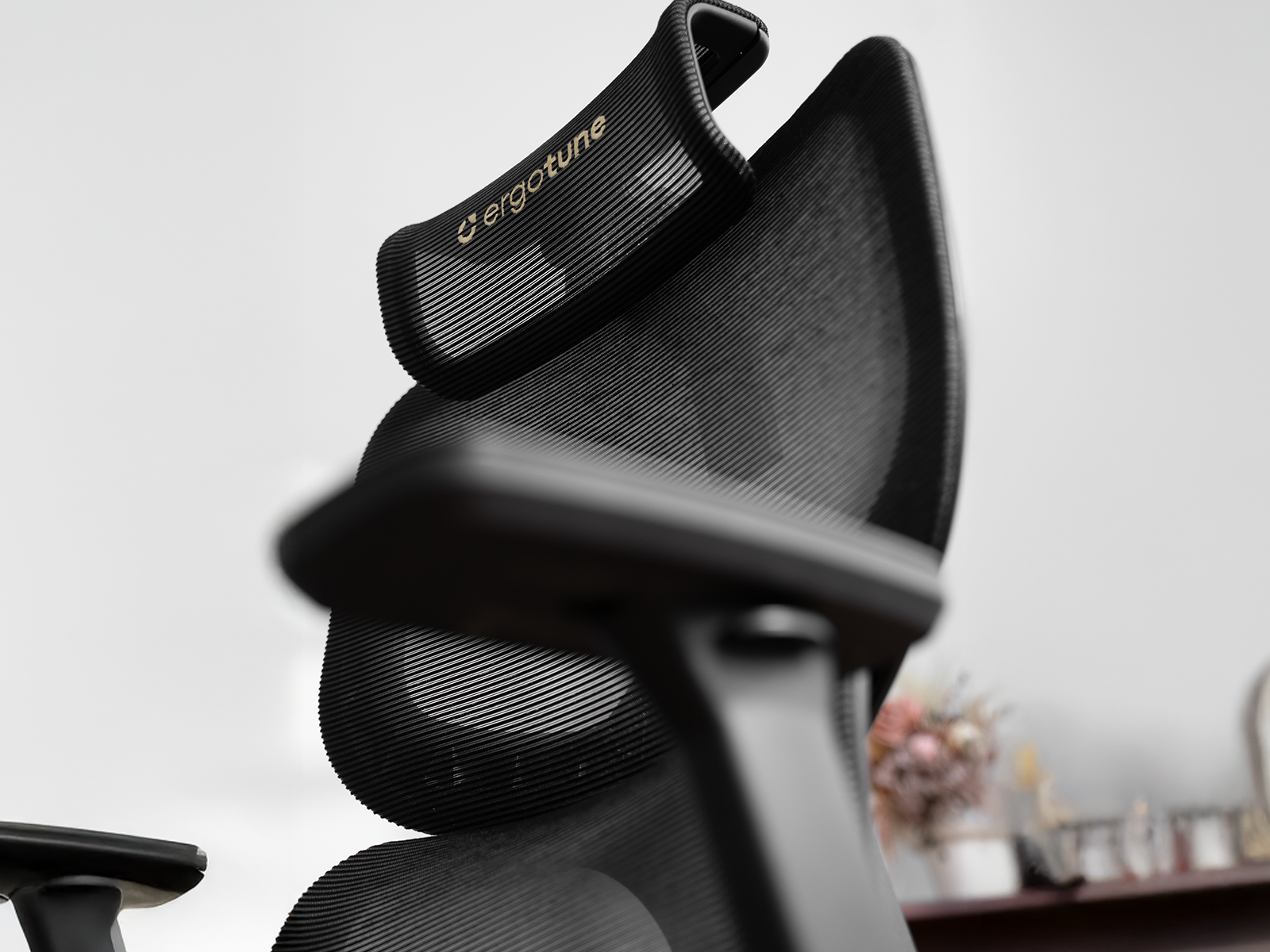
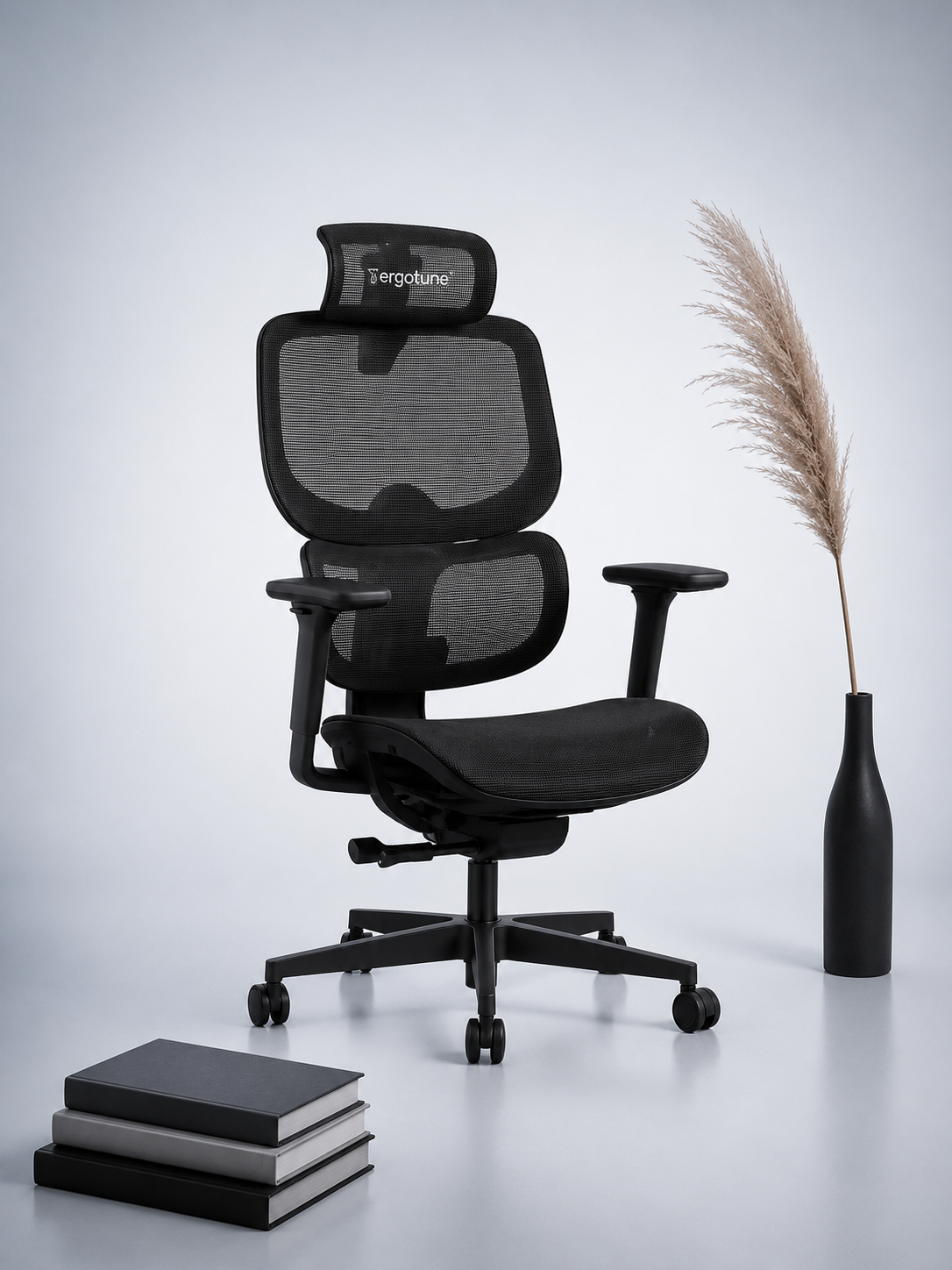
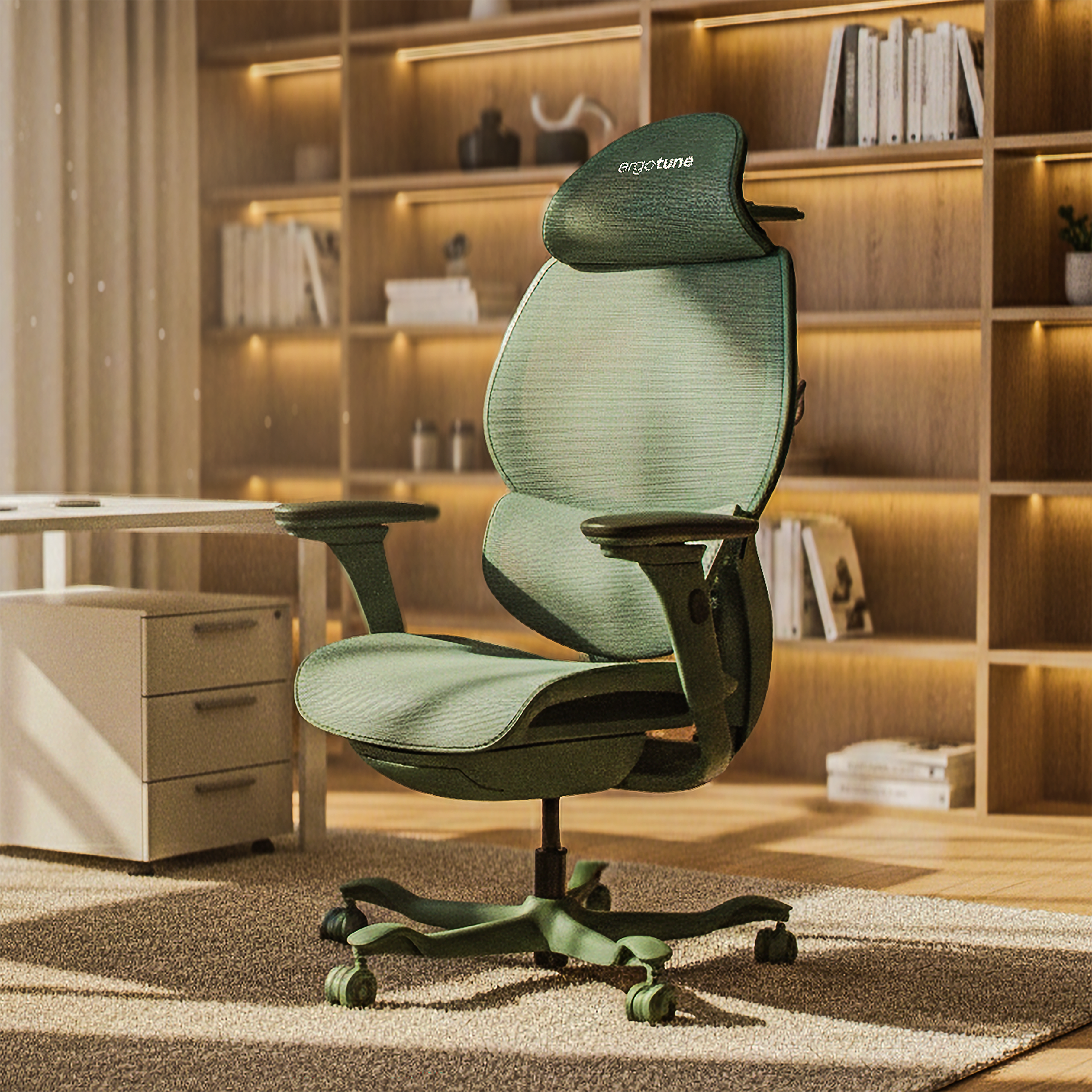
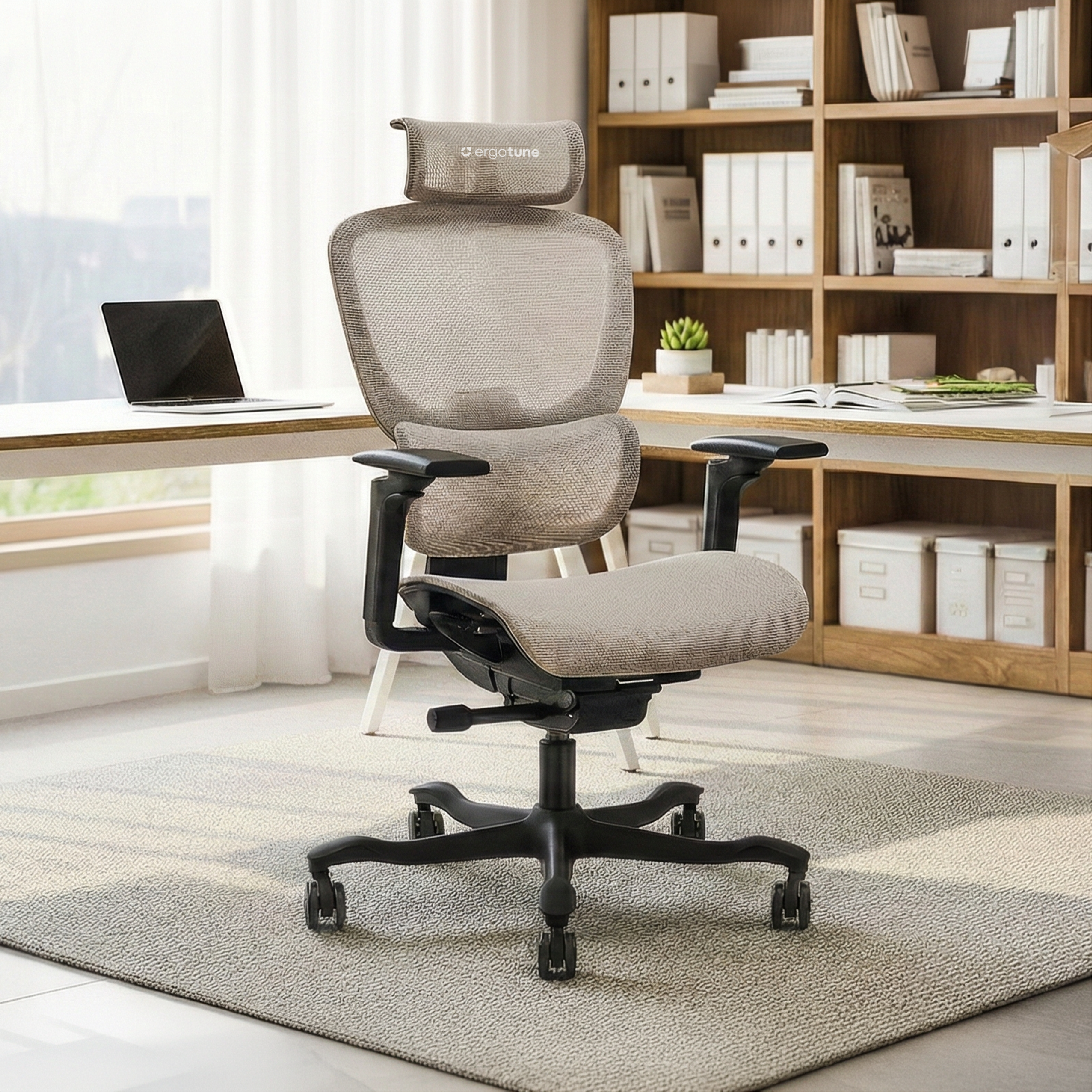
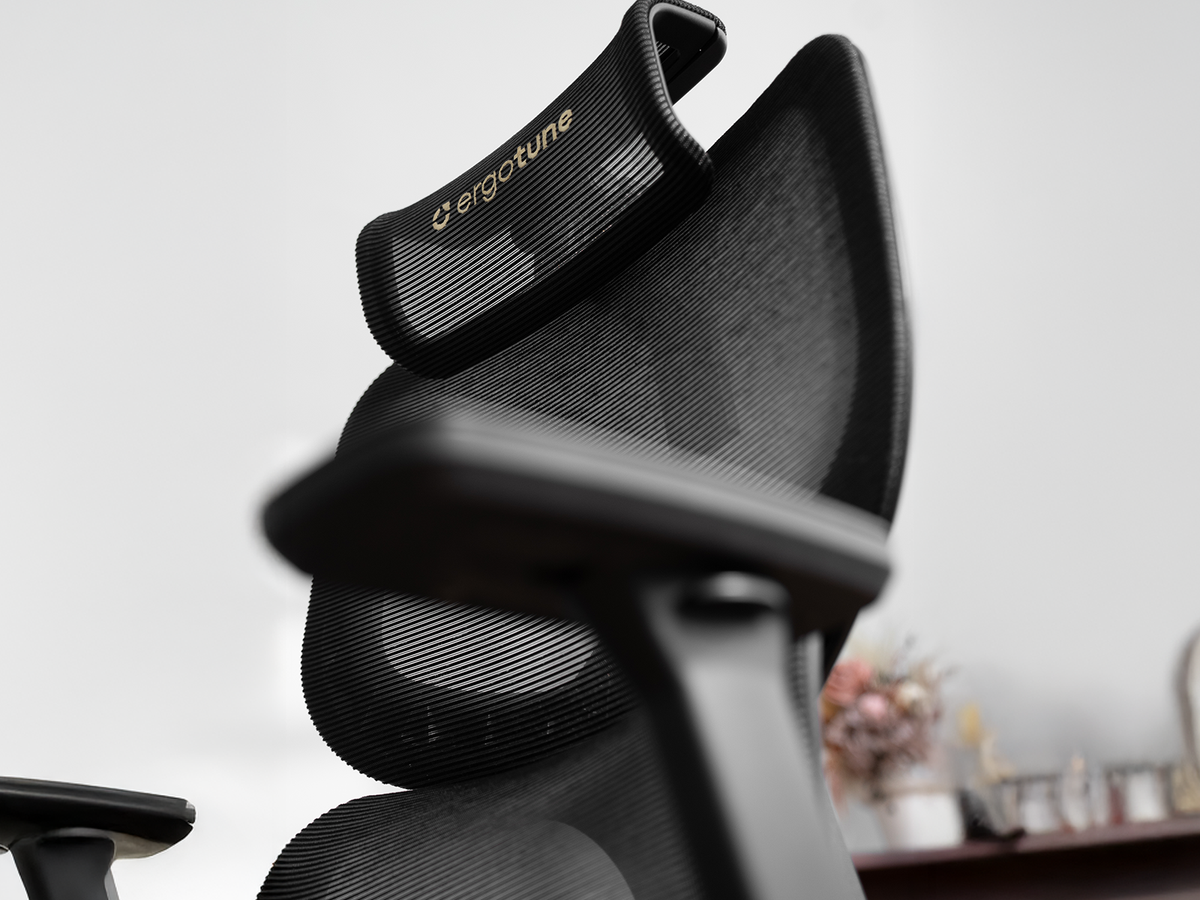
Manufacturers publish user height and weight ranges for a reason. For example, the ErgoTune Joobie Lite is built around longer study blocks at a student-friendly price, with a listed user height range of about 145-185 cm and a user weight range of 32-130 kg. That covers many older kids and most teens, while a smaller child still needs a different solution or serious foot support.
Never force a child into a chair that fails the foot and seat-depth tests just because it was on sale.
What "good fit" looks like for a young student
Skip the marketing adjectives. Do this 60-second fit check.
- Feet: Flat on the floor or a firm footrest. Dangling feet are a hard no for long sits.
- Seat height: Thighs roughly supported without the front edge digging behind the knees.
- Seat depth: Sit back. Keep a small gap (about two to three fingers) behind the knees. Too deep and they slide into a C-shape.
- Backrest: They can rest against it while writing or typing, not only when they remember to "sit properly."
- Desk height: Forearms can rest without hiking shoulders. If the desk is fixed and high, lower the chair only if feet still get support.
- Screen: Not a permanent chin-to-chest laptop posture. Raise the screen; use a separate keyboard when sessions get long.
Furniture ergonomics research keeps returning to anthropometric match: when dimensions miss the user, comfort and strain suffer. That is as true for a 12-year-old as for a 40-year-old remote worker.
Dining chair vs "real" study chair
Dining chairs are fine for short meals, quick worksheets, occasional laptop use with feet supported.
They struggle when sessions run long, the seat is flat and deep, there is no stable lumbar contact, and the kid cannot change seat height as they grow.
A real study or ergonomic chair earns its keep when it offers
- Seat height adjustment
- A backrest that actually meets the spine
- Seat depth that can be corrected (or a size that already fits)
- Stable base; casters only if the floor and supervision make sense
- Breathable materials if your home runs warm (Singapore and Malaysia parents already know this battle)
Armrests are optional for younger kids and useful when they do not block the desk. A headrest is rarely the first priority for homework; get the seat and back right first.
Breaks beat perfect posture lectures
You can buy a great chair and still lose if the study plan is four hours frozen in one pose.
Research on active breaks in young people with non-specific low back pain found that a structured break programme reduced pain and sitting-related discomfort over 12 weeks versus basic self-care advice. Kids do not need a clinic protocol at the dining table. They do need movement baked into homework culture.
Try simple household rules:
- Timer for posture resets every 30-45 minutes
- Water or stretch break between subjects
- No full film-length gaming sessions without standing up
- Homework finishes at a desk when possible; bed is for rest
Parents who coach the routine beat parents who only buy gear.
What to buy (and what to skip)
Worth paying for
- Adjustable seat height with a range that fits this child today
- Back support they will actually use
- Seat depth that passes the finger-gap test
- Build quality and a clear weight rating
- A trial or return path if you are sizing up into a "real" desk chair
Easy to overspend on
- RGB everything and racing-bucket shapes that force a reclined lounge posture for homework
- Giant executive thrones that fail seat depth for shorter users
- Complicated gadgets they will never adjust
Budget path that still works
- Stable chair + firm footrest + raised screen + external keyboard
- Or a simpler ergonomic chair with the essentials (height, lumbar, mesh, warranty) that a teen will not outgrow in one semester
If you are shopping that middle path for a taller student or teen, look for core adjustability without the full flagship price. The Joobie Lite is aimed at that job: about 11 adjustment points, adaptive lumbar, seat height and depth control, breathable DuraWeave mesh for warmer rooms, a 6-year warranty, and 21-day risk-free returns, from $449 SGD. It is positioned for long study blocks and smaller spaces, not for every primary-schooler. Always confirm the child meets the published size range (roughly 145-185 cm height) and can keep feet supported at their actual desk.
For smaller kids outside those ranges, prioritise a properly sized youth setup over "they'll grow into this chair next year." If an older teen wants more dials later, you can always step up within the wider chair lineup.
A practical decision checklist for parents
- How many minutes do they sit in a row on a normal weekday?
- Do feet touch a solid surface at the desk they actually use?
- Can they sit back without the seat edge cutting into their knees?
- Is the screen causing a permanent downward craning?
- Are complaints showing up more than once a week?
- Will this seat still fit after a growth spurt, or do we need adjustability?
- Do we have a break routine, or are we only shopping our way out?
If the answers point to long sits and poor fit, a real chair is timely. If sits are short and the dining setup already passes the fit checks, coach posture and breaks first, then upgrade when workload jumps.
The calm middle path
You do not need to turn a child's room into a corporate office. You also do not need to wait for tears and physio visits before replacing a chair that clearly lost the size battle.
Match the seat to the body. Match the desk to the seat. Interrupt long static sits. Re-check fit after growth spurts and new devices.