



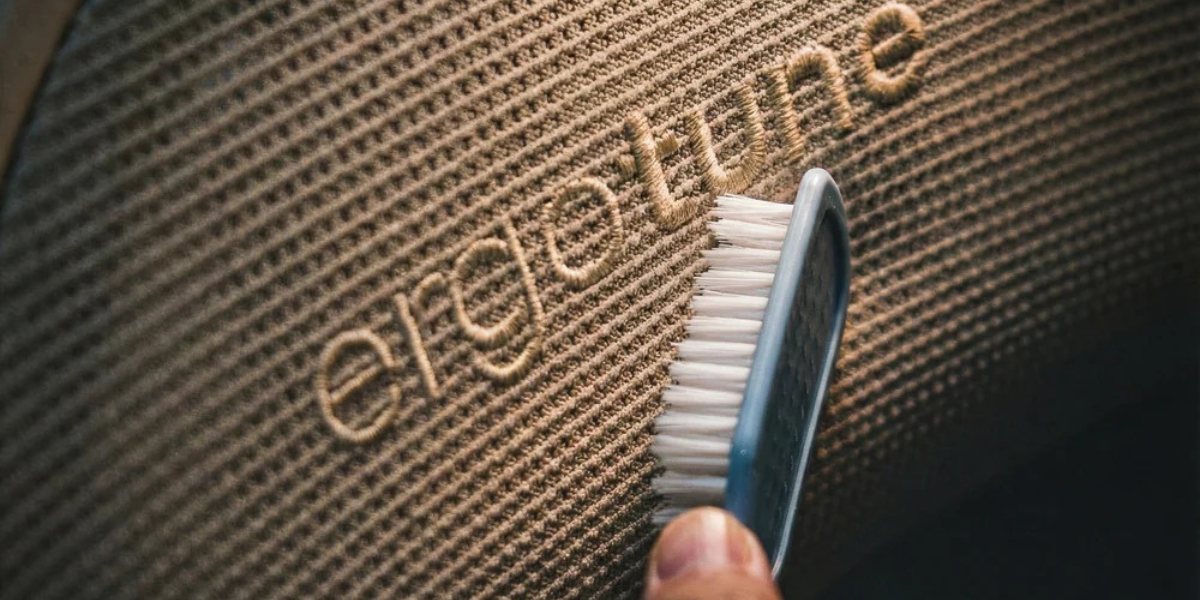
Quick answer: To clean a mesh office chair, vacuum the mesh and frame first, then wipe with a barely damp cloth and a drop of mild dish soap in warm water. Blot, do not soak. Rinse with a clean damp cloth, pat dry, and air-dry fully before you sit. Skip bleach, harsh solvents, and scrubbing brushes that snag the weave. In Singapore humidity, drying fully matters as much as the wash.
TL;DR
- Weekly-ish: vacuum mesh, seat edges, armrests, and wheels.
- Monthly: mild soapy wipe on mesh + hard parts; dry completely.
- Spills: blot immediately with a dry cloth, then a damp soapy dab.
- Never: hose it down, machine-wash the mesh, or leave it damp overnight.
On this page
- Why mesh chairs need regular cleaning
- What you need
- Step-by-step clean
- Coffee, oil, and stubborn stains
- Drying in Singapore humidity
- Mistakes that damage mesh
- FAQ
- Quick checklist
Why mesh chairs need regular cleaning
Mesh breathes better than thick foam or faux leather, which is why so many WFH and office setups in warm climates use it. That open weave also traps fine dust, skin flakes, snack crumbs, and whatever lands from desk lunches.
Regular cleaning is not only about looks. Dust and crumbs collect in the weave while you sit long hours. Indoor air guidance on particles treats settled dust as part of everyday exposure, and research on workplace setup and discomfort keeps linking the whole desk environment, chair included, to how you feel after a full day. A quick vacuum does more for comfort than waiting until the seat looks grey.
Clean mesh also lasts longer. Ground-in grime abrades fibres and makes the seat feel sticky in heat. A chair you wipe every few weeks is easier to keep than one you deep-clean once a year.
What you need
- Vacuum with a soft brush attachment (handheld is ideal)
- Two or three clean microfibre cloths
- Warm water
- Mild dish soap or a mesh-safe upholstery detergent (a few drops only)
- Cotton buds for frame crevices
- Optional: spray bottle for a light mist, cool air from a fan or hair dryer on cool/low
Check the care tag under the seat if your chair has one. Many mesh chairs are water-based clean only. When in doubt, test a small patch on the underside of the seat first.
How to clean a mesh office chair step by step
Step 1, Dry clean first. Vacuum the seat mesh, back mesh, seams, and the gap where the seat meets the frame. Use a soft brush head so you do not pull threads. Hit armrests, lumbar pad edges, headrest, base, and especially the castors. Hair and grit in the wheels is what makes a chair feel sticky on tile.
If the chair is years old and rarely cleaned, tip it carefully and clear the wheel housings. Full disassembly is optional and only worth it for a deep annual clean if you are comfortable putting it back together.
Step 2, Mix a light solution. Warm water plus a few drops of mild dish soap. Think slightly soapy, not bubbly bath water. About 1 part soap to 16 parts water is a safe starting point. Do not pour solution straight onto the mesh.
Step 3, Wipe the mesh damp, not wet. Dip a cloth, wring it hard until it is just damp, and wipe the seat and back in gentle passes. For delicate weaves, mist the cloth (or a spray bottle lightly) and dab instead of scrubbing. Work in sections so you are not flooding one spot.
Follow with a second cloth dampened in clean water only to lift soap residue. Then pat with a dry cloth. You will not towel-dry mesh to bone dry. That is normal. The goal is no standing wetness.
Step 4, Clean hard parts. Same mild mix on armrests, plastic shell, metal or nylon base, and levers. Wipe dry. Cotton buds help around bolt heads and tilt mechanisms where dust cakes.
Step 5, Dry fully before you sit. Air-dry in a breezy spot. A fan helps. If you use a hair dryer, stay on cool or low warm and keep it moving. High heat can stiffen or warp some mesh blends. Do not put a damp chair in a closed room overnight if you can avoid it.
Coffee, oil, and stubborn stains
Act while the spill is fresh. Blot with a dry cloth first. Never rub a wet stain deeper into the weave.
- Tea, coffee, soft drinks: damp soapy blot, clean-water blot, dry cloth, full air-dry.
- Oily food: lift solids, then a tiny amount of mild soap on a damp cloth. Repeat rather than soaking.
- Ink or dye: stop after a careful test patch. Aggressive solvents can leave a permanent halo or weaken fibres. Manufacturer guidance beats guesswork.
Old set-in stains may lighten but not vanish. That is a limit of open mesh, not a failure of one wipe.
Drying tips for Singapore heat and humidity
Mesh is popular here because it runs cooler than thick foam. Humidity is also why a half-dry chair can smell musty by the next morning.
After any wet clean:
- Finish with a dry cloth pass so the mesh is only lightly damp.
- Point a fan across the seat and back for 30 to 60 minutes if you can.
- Keep windows or AC airflow moving. Stagnant wet fabric is where musty odour starts.
- If you see light mildew spots, clean with the mild method above, dry thoroughly, and fix the moisture source (damp room, wet towel left on the seat, AC off for days). Public mold cleanup guidance is clear that moisture control matters as much as scrubbing.
Skip leaving the chair on a balcony in hard sun for hours. UV and heat can fade and age some meshes faster than gentle indoor airflow.
Mistakes that damage mesh
- Soaking or hosing the chair, water into foam edges, gas lift, and mechanisms.
- Bleach, acetone, or harsh degreasers, can discolor and weaken the weave.
- Stiff brushes and scouring pads, snag and pill the mesh.
- Fabric softener as a habit, residue can leave mesh feeling coated and attract more dust. Stick to mild soap unless your care guide says otherwise.
- Sitting while wet, presses moisture deeper and leaves marks on clothes.
- Ignoring wheels, grit grinds plastic castors and scratches floors.
FAQ
How often should I clean a mesh office chair?
Light vacuum every 1 to 2 weeks if you sit daily. A mild wipe monthly is enough for most home offices. Clean spills the same day.
Can I put mesh chair covers in the washing machine?
Only if the manufacturer says the cover is removable and machine-washable. Most integrated mesh seats are not. Assume wipe-clean only.
Can I use disinfectant wipes?
For hard plastic armrests and levers, a gentle wipe is usually fine. On mesh, alcohol-heavy wipes can dry or spot some fibres. Prefer mild soap and water on the weave, then dry fully.
Why does my mesh chair smell after cleaning?
It was probably left damp. Re-wipe with a clean barely damp cloth, dry with airflow, and avoid sealing the room. Recurring smell often means a moisture problem in the room, not only the chair.
Does cleaning help the chair last longer?
Yes. Dust and grit wear fibres and moving parts. Pair basic care with sensible use and you get more years from the same seat. For lifespan context, see our note on how long computer chairs last.
Quick checklist
- □ Vacuum mesh, seams, armrests, base, wheels
- □ Mild soap + warm water, cloth wrung almost dry
- □ Wipe mesh → rinse cloth pass → pat dry
- □ Wipe frame and levers
- □ Air-dry fully (fan helps in humid weather)
- □ Spot-treat fresh spills the same day
When a clean chair still feels “off”
Sometimes the chair is clean but the setup is wrong: seat too high, desk too low, or no lumbar contact. If shoulders and wrists still complain after a tidy-up, fix height next with our chair and desk height guide.
If you are shopping for breathable mesh built for long days in a warm climate, browse the ErgoTune chair lineup or look at the Joobie if you want adjustable support with DuraWeave-style mesh that is designed to stay cooler than thick foam. Care stays the same: vacuum, mild wipe, dry fully.